HIV infection can now be effectively controlled with antiretroviral therapy, which efficiently suppresses viral replication. However, these treatments must be maintained for life, as their interruption generally leads to a rapid rebound of viral replication. In rare cases, some individuals are nevertheless able to maintain control of the virus after treatment interruption. Understanding the biological mechanisms underlying this phenomenon is a major challenge for the development of strategies aimed at achieving durable remission of the infection.
In this study, researchers used a non-human primate model infected with simian immunodeficiency virus (SIV), a widely used model for studying HIV infection. The animals were treated with antiretroviral therapy for an extended period in order to suppress viral replication. Treatment was then interrupted to analyze the mechanisms associated with either viral control or viral rebound.
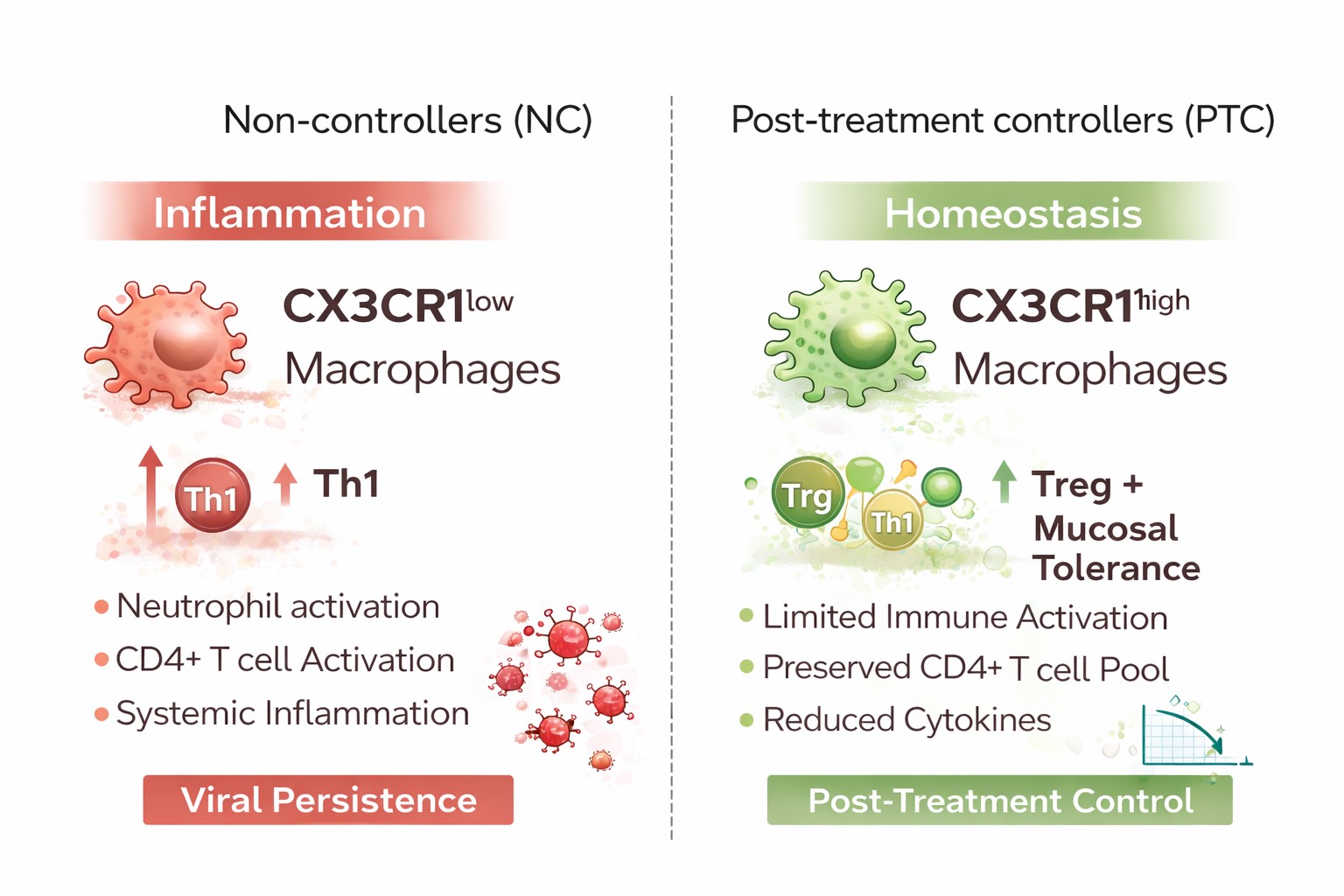
The results show that animals capable of controlling the virus after treatment interruption display a specific immune signature in the intestine. In particular, these animals exhibit a higher proportion of macrophages expressing the CX3CR1 receptor in the intestinal mucosa. These immune cells are associated with a more balanced immune environment, characterized by lower levels of inflammation and better integrity of the intestinal barrier.
Conversely, animals that fail to control the virus after treatment interruption display increased intestinal inflammation and disruption of the local immune environment. These differences suggest that the immune status of the intestinal mucosa plays a key role in the ability to limit viral replication following treatment interruption.
@ M. Cavarelli / CEA
The study also highlights a link between the presence of these CX3CR1+ macrophages and improved regulation of immune responses in the intestine, which could help limit chronic immune activation, a known driver of viral replication.
These findings underline the importance of the intestinal compartment in the control of HIV infection and suggest that specific macrophage populations may play a key role in the mechanisms underlying post-treatment remission. These observations open new perspectives for the development of therapeutic strategies aimed at promoting durable viral control without continuous treatment.
Contact : Mariangela Cavarelli